AGP Executive Report
Last update: 4 days agoIn the last 12 hours, Nepal’s top local headlines were dominated by legal and governance developments. A ward chairperson in Jumla was arrested on a rape charge, with police saying the arrest was made on the basis of an arrest warrant and that the court allowed custody for five days for further investigation. In the judiciary, the Constitutional Council recommended Justice Dr. Manoj Sharma for appointment as Nepal’s next Chief Justice, a move described as unprecedented because he is fourth in seniority; the recommendation is set for parliamentary hearing and approval. The same period also saw Interpol request further details before issuing a red notice against the Deuba couple, while Nepali Congress called for due process in a money-laundering probe involving Bagmati CM Indra Bahadur Baniya.
Corruption and state accountability also featured prominently. The CIAA filed a corruption case over Pokhara International Airport construction irregularities, seeking recovery of over Rs 3.62 billion, alleging tax exemptions granted to a Chinese contractor violated the original procurement agreement. Relatedly, commentary and reporting emphasized Nepal’s transitional justice process entering a “sensitive and defining phase,” following an ordinance that paused tenure for commissioners—framing it as a potential opportunity to restore confidence while drawing attention to renewed international scrutiny via a UN Special Rapporteur visit.
Economic and administrative updates in the same window included measures aimed at keeping trade and revenue flowing. Customs clearance resumed after the government eased the MRP rule for imported goods, allowing importers to self-declare MRP at the customs point and affix labels later in warehouses—temporarily resolving a backlog that had stranded cargo trucks. On the international finance side, the IMF extended Nepal’s Extended Credit Facility (ECF) by two months, extending the program timeline to July 11, 2026 to allow time for the seventh and final review. Cabinet-level approvals also included procurement and infrastructure-related decisions, such as clearing import of three LNG cargoes and approving other major import/power-related measures (as reported in the provided text).
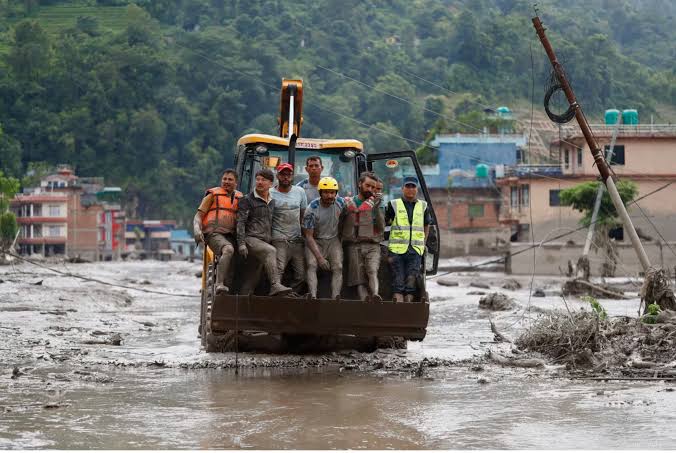
Several other last-12-hours items point to continuity in Nepal’s broader policy and regional engagement. Imports resumed through the Nepal–China northern Hilsa border point after a holiday suspension, while BP Highway reopened after three days of flood-related closure. Diplomatic and border-related coverage continued as well, with parliamentary committee discussion advocating diplomatic strategies to reclaim Lipulek, Kalapani, and Limpiyadhura through dialogue, and with reporting that Nepal’s position on Lipulekh/Mansarovar route concerns remains central in current exchanges.
Older coverage in the 3–7 day range provides context for these developments, especially around the Lipulekh/Kailash Mansarovar dispute and domestic governance reforms. Multiple articles across that period describe Nepal renewing territorial claims and lodging protests/notes, alongside India’s repeated rejection and emphasis on longstanding route use—setting the stage for the more recent parliamentary committee push for dialogue. The older material also shows a sustained focus on administrative restructuring and due-process concerns (including squatters/evictions and transitional justice), which aligns with the last-12-hours emphasis on legal procedure and institutional continuity.
Note: AI summary from news headlines; neutral sources weighted more to help reduce bias in the result.